How to Choose Between Invisalign & Braces – Which is Better?
You want straight teeth, but you’re wondering which is better: Invisalign or braces? Both treatments can effectively correct crooked, crowded, spaced, or misaligned teeth, or bite problems like overbites, so the decision comes down to appearance, comfort, treatment time, everyday suitability, and of course, price.
Allow our dentists at Tudor House Dental Surgery in Chester to walk you through every treatment factor and consideration to help you decide which orthodontic solution will be right for you moving forward – and when you’re ready, book a free consultation with us in Chester to learn exactly how treatment will work for you.
Treatment breakdown
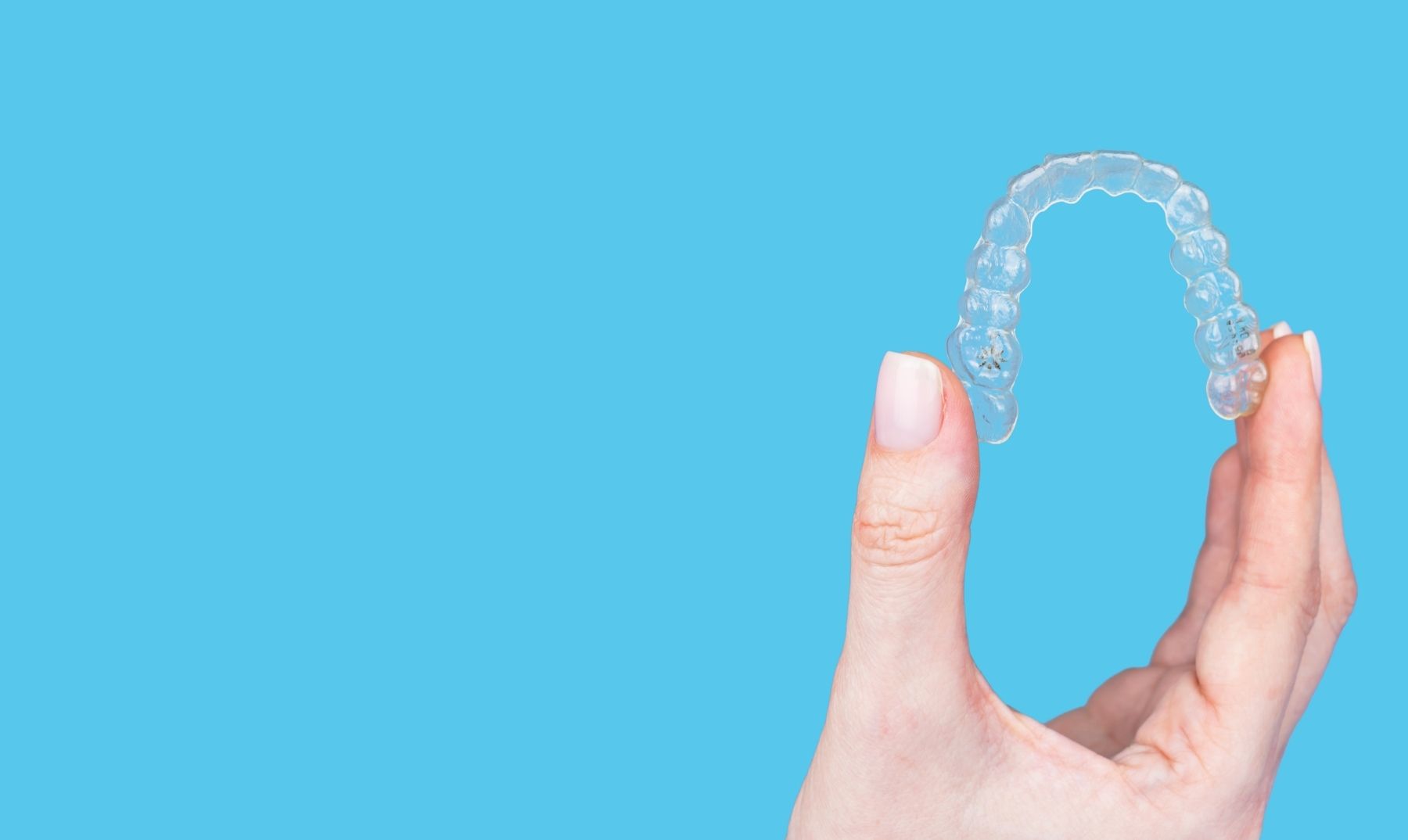
- Invisalign uses clear, removable aligners to straighten teeth
- Braces use fixed brackets and wires to move teeth into position
- Invisalign is discreet and can be removed for eating and cleaning
- Braces are fixed, so they work without relying on compliance
- Both treatments can improve crowding, spacing and smile confidence
- Braces are more recommended for severe bite issues

Invisalign vs braces overview
The main difference is simple: Invisalign is removable and discreet, while braces are fixed and often better for more complex cases and patients who struggle with compliance.
| Comparison | Invisalign | Braces |
|---|---|---|
| Purpose | Straightens teeth using clear, removable aligners | Straightens teeth using fixed brackets and wires |
| Appearance | Clear and discreet, making them popular with adults and teens | More visible because brackets are fixed to the teeth |
| Treatment time | Can take from 3 to 12 months | Often takes 12-24 months |
| Comfort | Smooth plastic aligners that are easy to adjust to | Brackets and wires can rub or cause soreness after adjustments |
| Eating | Aligners are removed for meals, so there are fewer food restrictions | Hard, sticky or chewy foods may need to be avoided |
| Cleaning | Easier to brush and floss because aligners are removable | More careful cleaning needed around brackets and wires |
| Compliance | Must be worn for 20-22 hours per day to work properly | Fixed to the teeth, so compliance is not a worry |
| Suitability | Often suitable for mild to moderate crowding, spacing, alignment and bite issues | Often better for more complex tooth movement or severe bite correction |
| Maintenance | Aligners need cleaning daily and must not be lost or forgotten | Brackets and wires need regular cleaning and adjustment appointments |
| Cost | From £1,500 or £33 per month | Not offered at Tudor, but average costs are from £1,500 to £5,500 |
The right solution will depend on goals, teeth and lifestyle
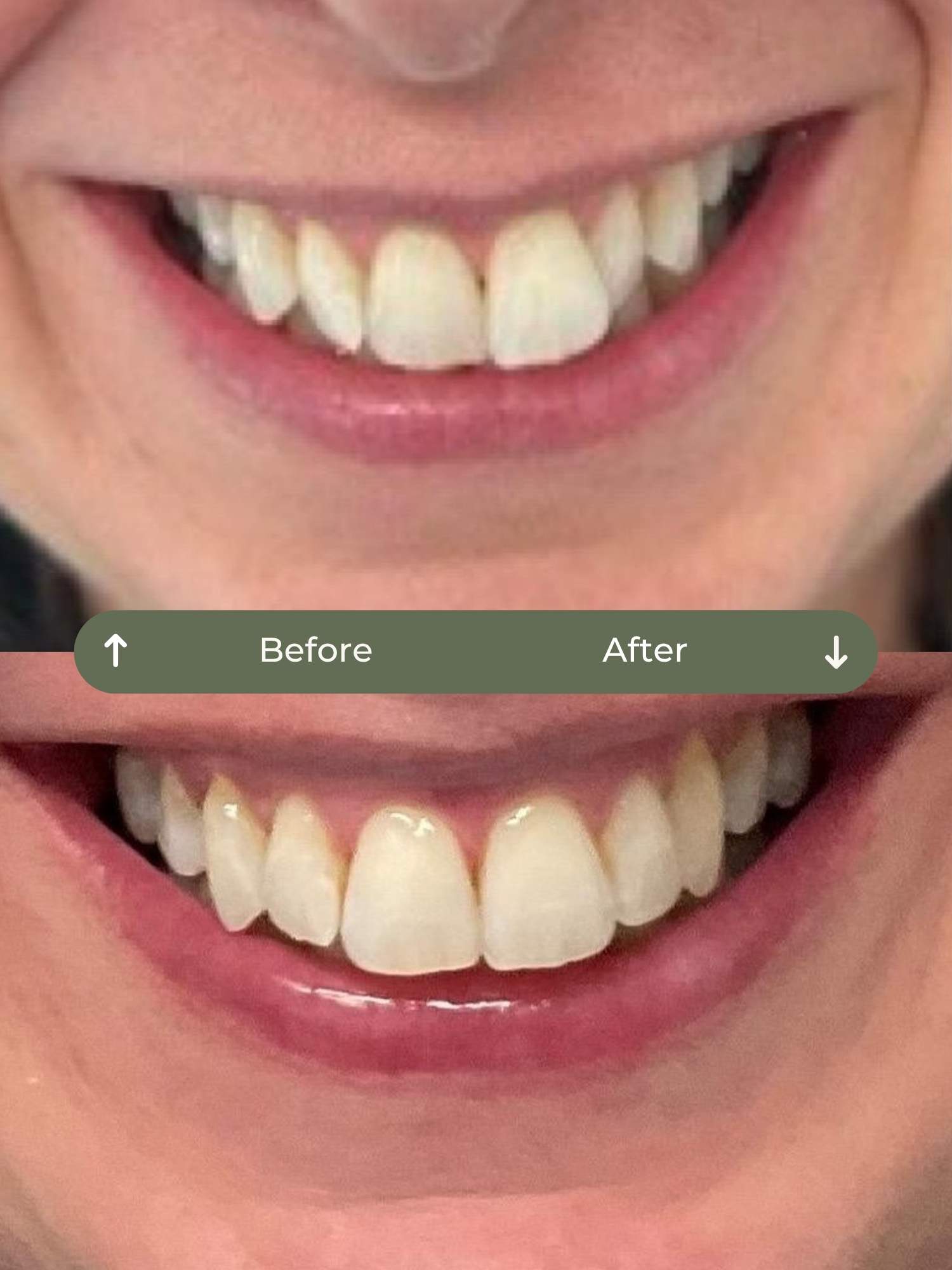
The orthodontic treatment you have is typically predicted by the severity of your issue. Braces work best for complex movements and severe cases, whereas Invisalign is great for mild to moderate issues, which is why it can take less time.
The right choice also depends on your overall goals, treatment timeline, and lifestyle. For example, adults and teens prefer Invisalign to metal brackets because they’re more discreet. They’re also removable, which means you can take them out for 2 hours a day for social activities, brushing, cleaning, and eating.
Invisalign also requires fewer checkups and in-clinic appointments, whereas braces will need to be tightened at the dentist every so often.
Purpose
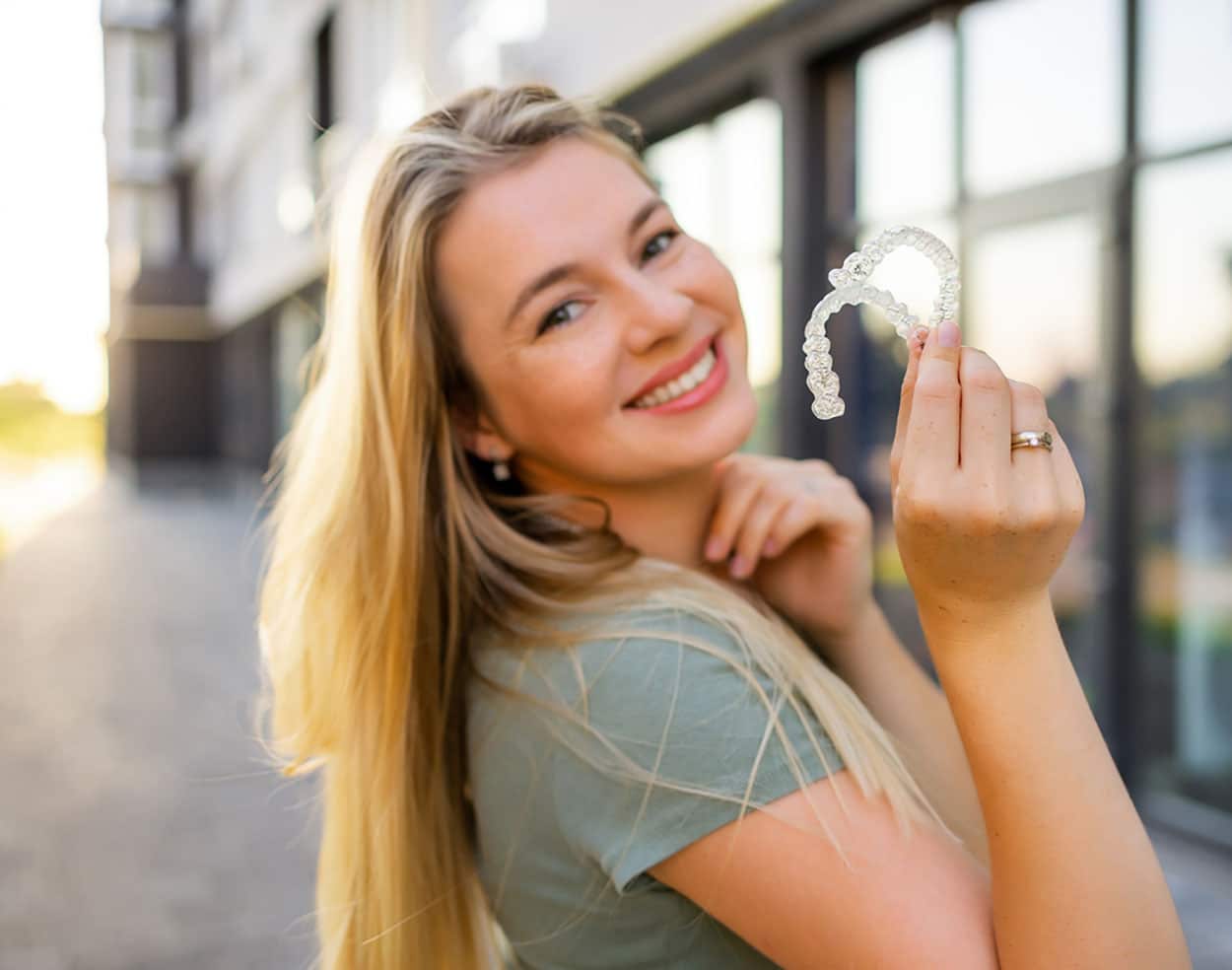
- Invisalign straightens teeth using clear removable aligners 🏆
- Braces straighten teeth using fixed brackets and wires
Invisalign uses a series of custom-made clear aligners that gradually move teeth into their correct spots. You wear each aligner for around 22 hours per day and swap it every 1-2 weeks until treatment is complete. Braces, on the other hand, are fixed and use brackets and wires to gradually move teeth with frequent adjustments and tightening appointments.
Both treatments can help with crooked teeth, gaps, crowding and alignment concerns. The best option depends on how complex the movement is and how discreet you want treatment to be.
Appearance
- Invisalign aligners are clear, discreet and hard to notice 🏆
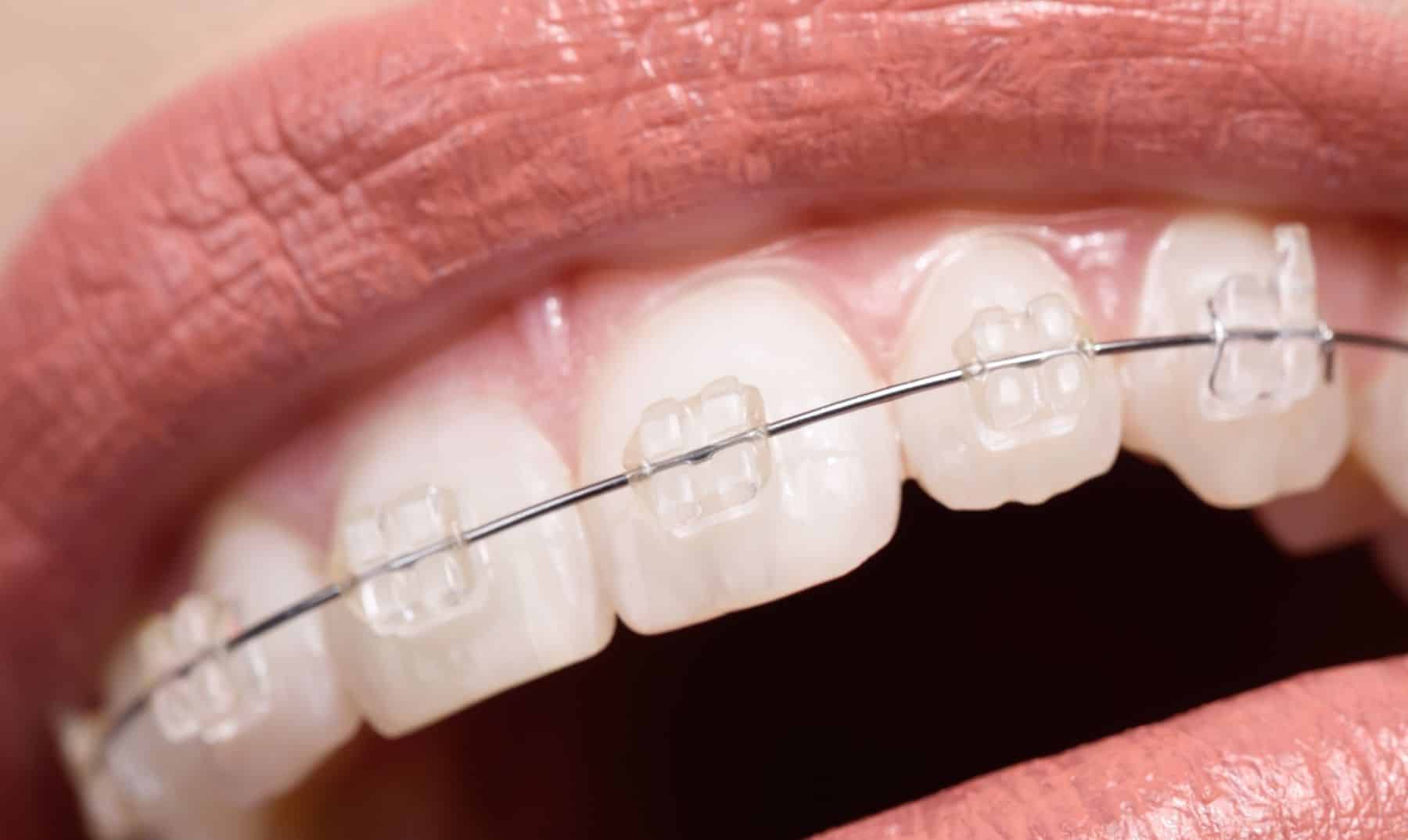
- Braces are more visible because they are fixed to the teeth
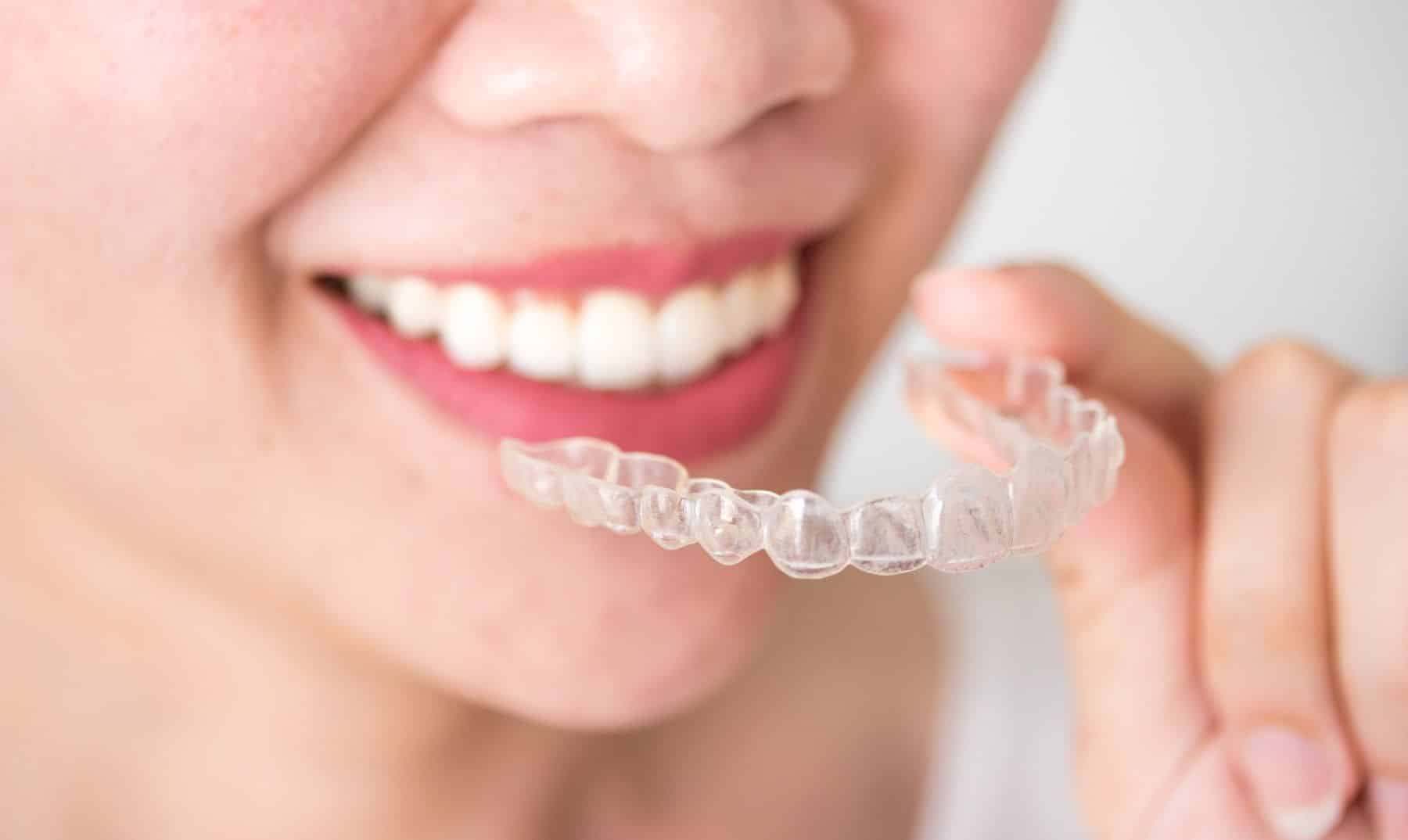
Braces come with stigma and names. Invisalign often avoids this because the aligners are clear and fit snugly over the teeth, making them visible only up close. But they’re removable, so if you’re feeling self-conscious in the moment, you don’t have to hide your smile.
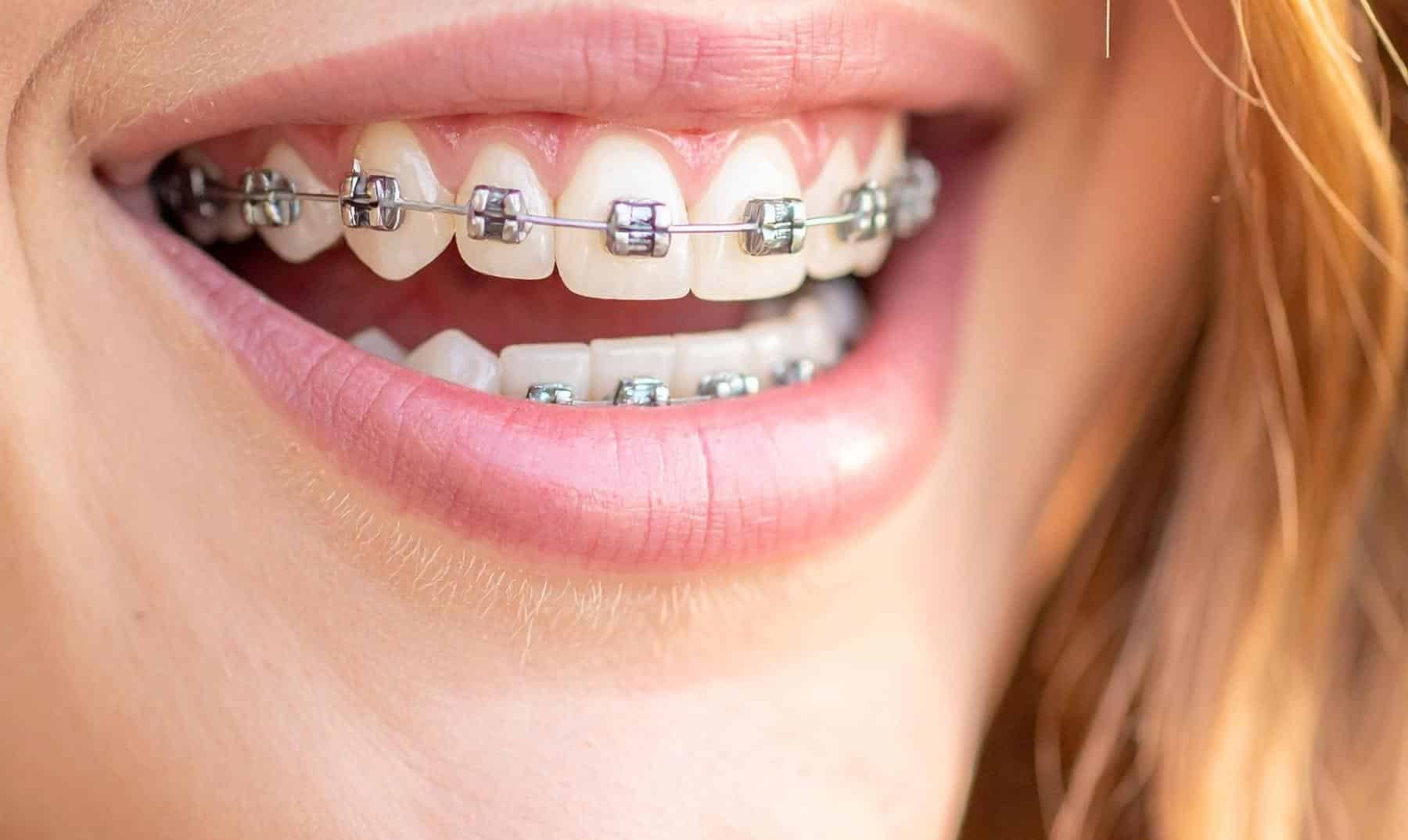
Braces are more visible because brackets are attached to the teeth throughout treatment. Some patients do not mind this, especially if they are focused on the result, but adults and image-conscious teens often want a more discreet option.
Treatment timelines
- Invisalign treatment often takes 3-12 months 🏆
- Braces often take 12-24 months
Treatment time depends on the extent of your malocclusion and how much movement is required. For example, the more aligners you use, the longer your treatment will be.
Invisalign is typically quicker for mild to moderate cases, especially if you wear the aligners as instructed daily. Braces often take longer but are better for complex movements because they are fixed to the teeth and allow more controlled force.
Comfort
- Invisalign aligners are smooth and removable 🏆
- Braces can rub or feel sore after adjustments
Invisalign aligners are made from smooth plastic, so there are no brackets or wires to rub against the cheeks or lips. Patients may still feel slight pressure when changing aligners, but this usually signals that the teeth are moving and adjusting to the next phase of treatment, and it often subsides over the following days.
Braces can cause rubbing, especially when first fitted or after adjustments. Orthodontic wax can help, but some soreness is normal while the mouth adapts. For day-to-day comfort, many patients prefer Invisalign.
Eating
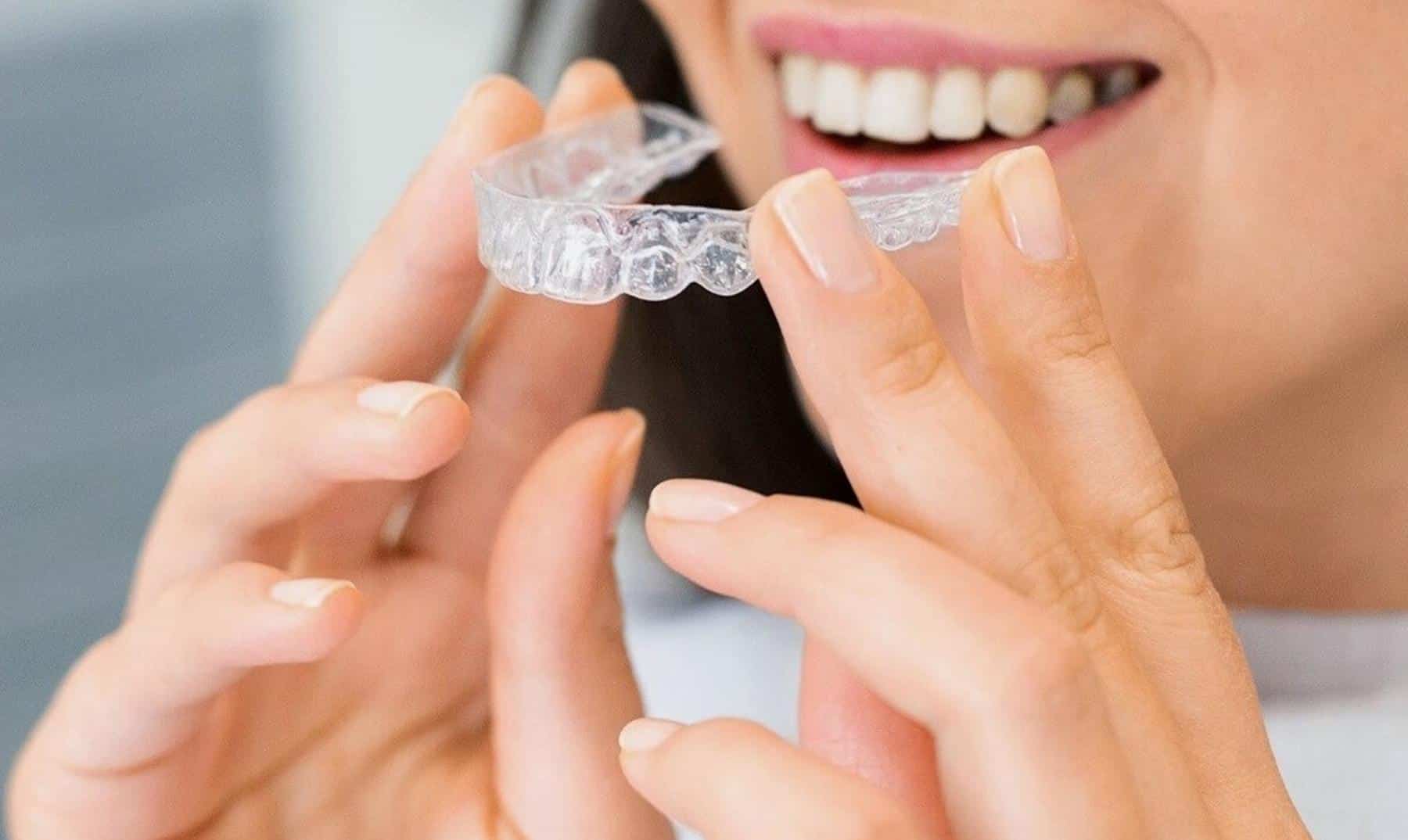
- Invisalign is removed for meals 🏆
- Braces typically require some food restrictions
With Invisalign, you have to remove your aligners before eating. This means you can usually continue eating the foods you enjoy without worrying about damaging brackets or wires.
Braces fixed to the teeth are typically advised to avoid hard, sticky, or chewy foods, which can damage brackets, bend wires, or make cleaning harder.
Cleaning
- Invisalign makes brushing and flossing easier 🏆
- Braces need more careful cleaning around brackets and wires
Because Invisalign aligners are removable, you can brush and floss your teeth normally before putting them back in. You’ll also be required to brush your teeth following every meal to keep your aligners from being stained or food getting trapped. The aligners also must be cleaned daily to keep them fresh and clear.
Cleaning with braces can be harder because food and plaque can collect around brackets and wires. Patients need to be especially careful with brushing and interdental brushing, and keep up with hygiene appointments.

Compliance
- Invisalign must be worn for 20-22 hours per day
- Braces are fixed, so they are always working 🏆
Invisalign only works properly if the aligners are worn as instructed. Most patients need to wear them for 20-22 hours per day, removing them only for certain activities, eating and drinking anything other than water and cleaning. The longer you wear them, the more effective the movement and the better your chance of completing treatment as planned and on time.
Braces do not rely on memory or compliance because they are fixed to the teeth. This can make braces a better option for younger patients or anyone who might forget, lose or avoid wearing aligners.
Suitability
- Invisalign is often suitable for mild to moderate cases
- Braces are often better for more complex tooth movement 🏆
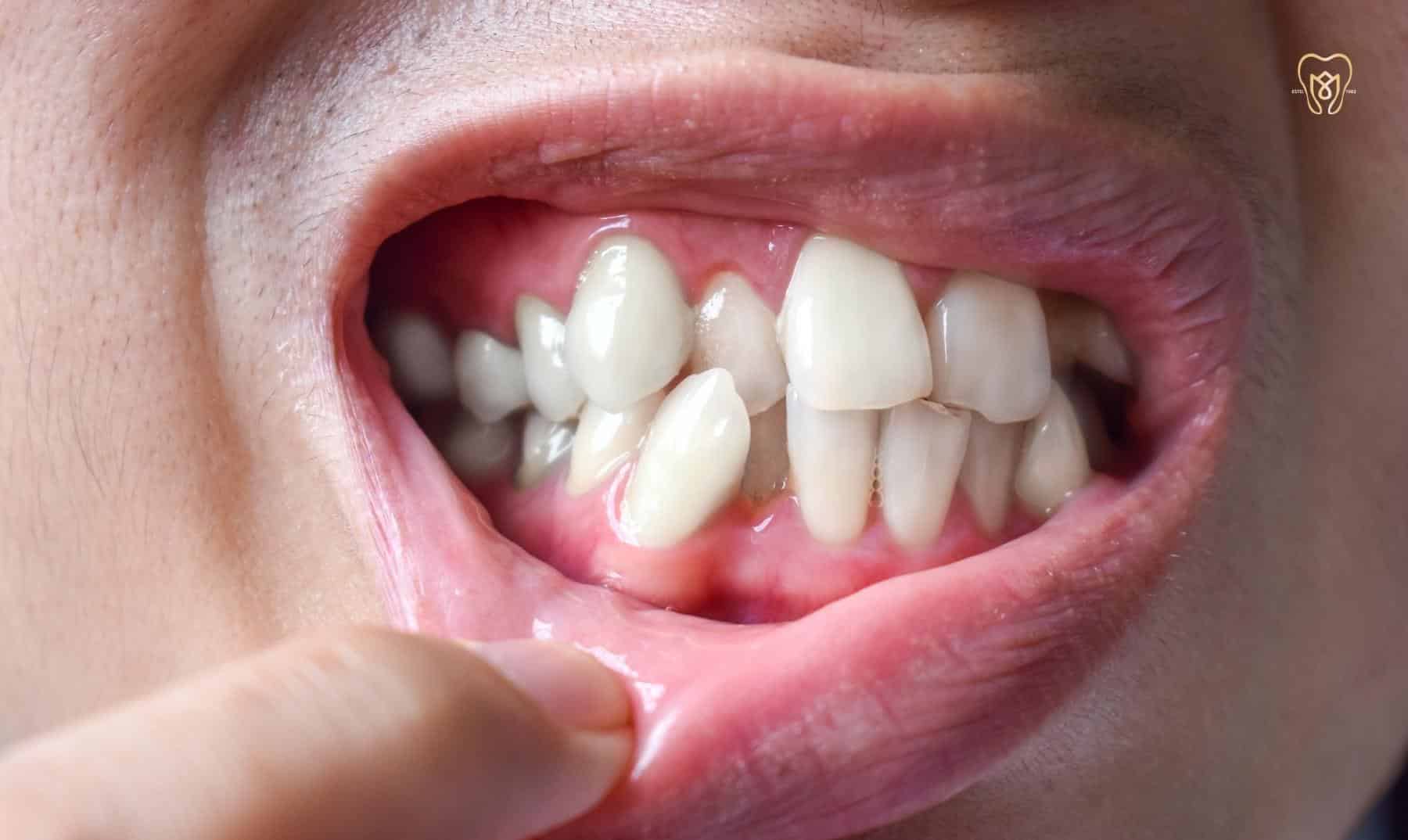
Invisalign can treat mild to moderate cases of crowding, spacing, and alignment issues. It’s also effective for overbites, underbites, crossbites and open bites. But in severe alignment cases that involve more complex tooth movement, fixed braces are typically recommended for precise control. A consultation is the only way to know which option is right for you. Your dentist will assess your teeth, bite and goals before recommending the most suitable route to a straighter smile.

Cost
- Invisalign costs from £1,500-£5,000 🏆
- Braces cost from £1,500-£8,000
The cost of Invisalign or braces depends on the complexity of your case, treatment length and the type of appliance used. The more complex your problem, the longer it takes and the more expensive treatment becomes.
In minor and moderate cases, Invisalign can typically work out cheaper (starting from £33 per month). At Tudor House Dental Surgery, we can confirm fees after your consultation.
We offer 0% finance up to 12 months, with longer finance options available for treatment over £1,500, allowing patients to pay monthly to straighten their smile.
See our Invisalign offer.
Still not sure? A free consultation in Chester can help you decide
Invisalign is usually the better choice if you want discreet, removable treatment that fits around your work and social life. Braces are typically the recommended choice for more complex cases and more controlled tooth movement.
At Tudor House Dental Surgery, we can help you decide whether Invisalign, clear aligners, braces or another treatment is most suitable for your teeth and bite.
Our dental practice in Tarvin, Chester, has been trusted since 1983 and offers clear advice, transparent fees and finance options to help make treatment more manageable.
To book an appointment, call 01829 741284 or book a free consultation online.