
Do You Need Composite Bonding or Dental Veneers? How to Choose:
Want to upgrade your smile but not sure whether composite bonding or veneers will work best? Our cosmetic dentists at Tudor House Dental Surgery in Chester have created this guide to break down exactly which treatment will likely work best for your smile and for your goals, comparing everything from cost, appearance, durability and long-term suitability.
What the treatments offer
Composite bonding and dental veneers both correct the same problems and can work to improve the appearance of your smile, but they both work in different ways:
- Bonding repairs chips, gaps & worn edges with tooth-coloured resin
- Veneers cover the front surface of teeth to improve shape, colour & symmetry
- Composite bonding costs from £250 per tooth
- Dental veneers cost from £250 per tooth
- Both treatment options can be completed in a day
- Finance is available for mini and large smile makeovers
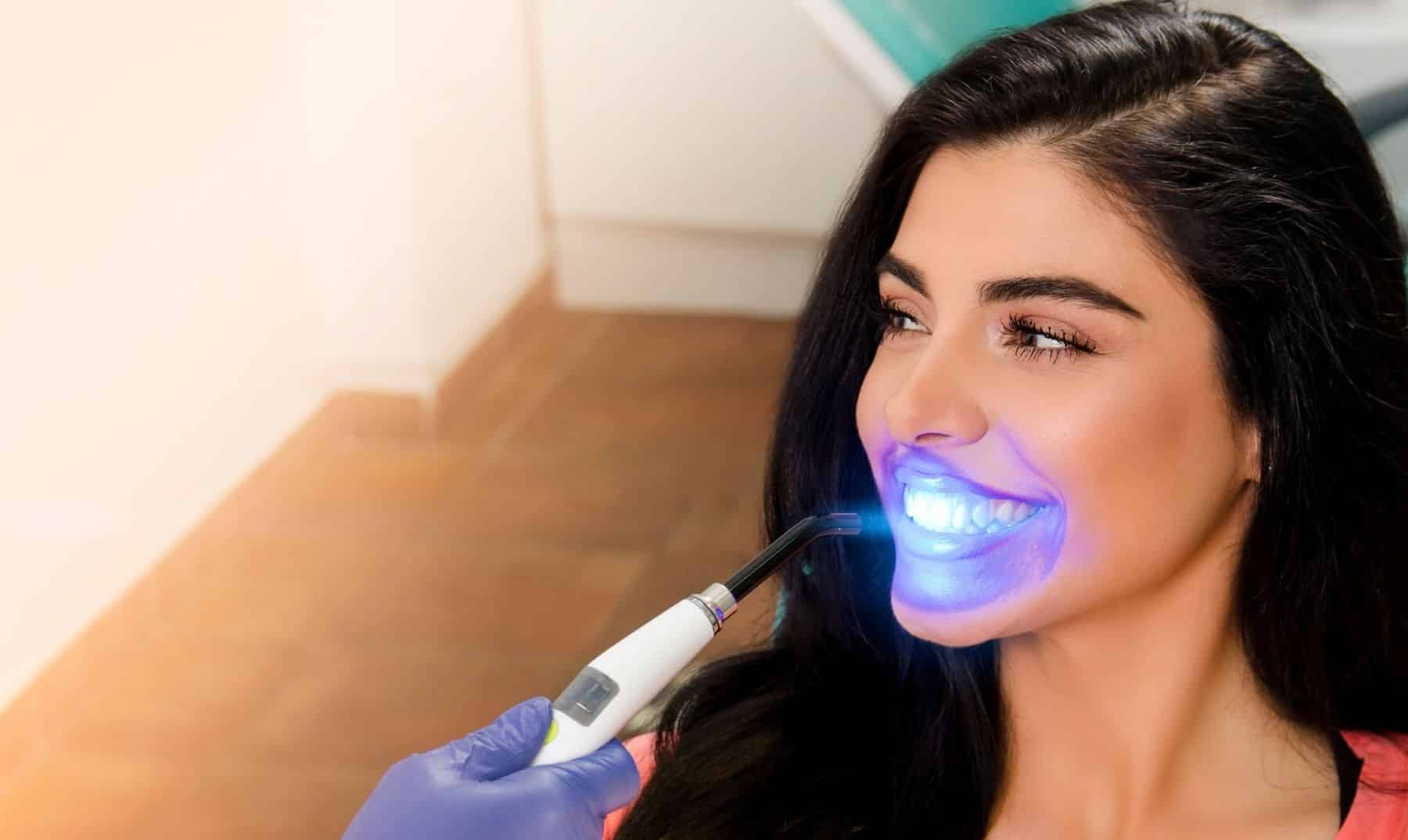
Composite bonding vs veneers overview:
| Comparison | Composite bonding | Veneers |
|---|---|---|
| Purpose | Repairs chips, worn edges, small gaps and minor tooth shape issues using tooth-coloured resin | Covers the front surface of teeth to improve colour, shape, size and symmetry |
| Treatment time | Often completed in one visit, depending on how many teeth are treated | Can be completed in one visit using composite veneers, or up to 3 visits with porcelain |
| Tooth preparation | Often little or no drilling needed | May involve removing a thin layer of enamel if porcelain used |
| Appearance | Natural-looking, subtle improvements | More complete cosmetic smile enhancement |
| Durability | Good, but more likely to chip, stain or need polishing over time. Typically last 3-7 years | Porcelain veneers can last 15-20 years, whereas composite veneers can last up to 10 |
| Stain resistance | Can stain over time, especially with tea, coffee, red wine or smoking | More stain-resistant, especially porcelain |
| Repairability | Easy to repair, polish or add to | More difficult to repair and may need replacing if damaged if usig porcelain |
| Cost | From £250 per tooth | From £250 for composite veneers, from £750 for porcelain |
| Best for | Small chips, gaps, worn edges and affordable smile improvements | Larger changes to tooth colour, shape, size and symmetry |
The right solution depends on your smile goals
- Composite bonding best for small changes
- Dental veneers for larger, more dramatic makeovers
Composite bonding and veneers both improve the appearance of your teeth, but the type of cosmetic treatment selected depends on the extent and level of changes you wish to make.
Composite bonding is typically applied only to specific areas of the tooth, such as the edges, to make small improvements. For example, it’s used to repair chips, reshape worn edges, close small gaps and improve minor imperfections with a tooth-coloured resin.
Veneers, on the other hand, whether composite or porcelain, cover the entire surface of the tooth to change its shape and size, resulting in larger, longer-lasting cosmetic changes.

Purpose of treatment
- If your concern is one chipped tooth or a few uneven changes, bonding is enough
- If you want to change several front teeth dramatically, veneers are the better option 🏆
Composite bonding makes small changes, improving chipped, uneven, worn or gapped teeth. It’s not applied to the entirety of the tooth, but instead builds on what’s already there.
Veneers, on the other hand, whether composite or porcelain, cover the entire surface of your natural tooth to change the colour, shape, size, and overall symmetry, making them best for patients who want a complete change rather than a small repair.

Treatment timelines
- Composite bonding is completed in one visit 🏆
- Composite veneers are completed in one visit 🏆
- Porcelain veneers take 3 visits over 3 weeks
Composite bonding’s biggest benefit is its speed, with most cases being completed in a single appointment. But if you opt for composite veneers, you can still reap the same benefits, as they use the same material, but just cover more of the tooth.
Porcelain veneers, on the other hand, take longer because they require more planning and design considerations as they’re pre-fabricated in a dental lab to your specifications.
Tooth preparation
- Composite bonding often needs little or no drilling (non-invasive) 🏆
- Composite veneers often need little or no drilling (non-invasive) 🏆
- Porcelain veneers may involve removing a thin layer of enamel (minimally invasive)
Composite bonding and composite veneers are conservative treatment options because the resin is applied directly to the tooth surface, making them popular for patients who want subtle improvements without altering the natural tooth.
Porcelain veneers, on the other hand, are adhered to the tooth’s front surface, which requires some enamel preparation so they sit naturally without looking bulky. If your goal is to preserve as much natural tooth as possible, bonding might be a better first step.
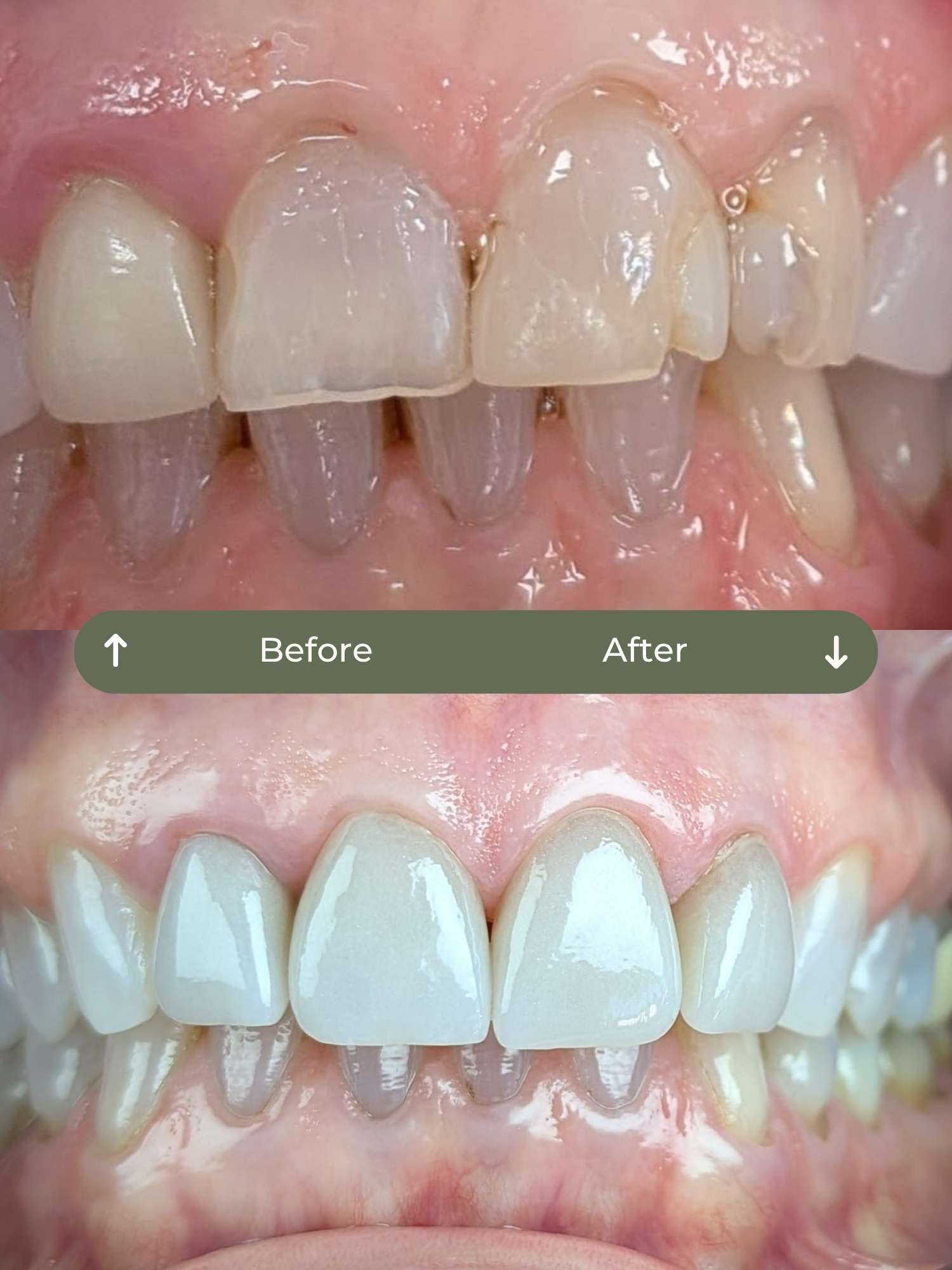
Appearance
- Composite bonding gives natural, subtle improvements
- Veneers can create a more complete cosmetic smile makeover 🏆
Composite bonding and composite veneers can look natural and are carefully matched to teeth. Porcelain veneers involve a bigger change, improve several teeth at once, creating a natural-looking smile that suits your face.
Durability
- Composite bonding lasts 3-10 years
- Composite veneers last 3-10 years
- Porcelain veneers last 15-20 years 🏆
Composite resin, whether used for bonding or for veneers, is not as durable as porcelain. It’s susceptible to staining, chipping and wear over time. That said, it’s easy to renew, replace, and repair, whereas porcelain is resistant, but if it breaks, it will need replacement rather than repair. But if patients want a longer-lasting smile change, porcelain does offer better durability.

Cost
- Composite bonding costs from £250 per tooth 🏆
- Composite veneers cost from £250 per tooth 🏆
- Porcelain veneers cost from £750 per tooth
Composite resin is the more affordable option, making it a popular choice without committing to larger cosmetic treatments. Porcelain veneers cost more because they’re custom-made in a laboratory and require more planning and preparation. Dental finance is available at Tudor House Dental Surgery from 12-60 months for larger smile makeovers.

Still not sure which will work best? Book a free cosmetic consultation at our dental practice in Chester
The winning treatment will entirely depend on what you want to change. To compare the treatments, bonding is usually quicker, more affordable and less invasive, while veneers are often stronger, more stain-resistant and better suited to bigger smile changes. But you won’t really understand what’s achievable and what the most appropriate treatment choice will be without a dental recommendation.
At Tudor House Dental Surgery, we can help you decide whether composite bonding, veneers, whitening or a combination of treatments would be most suitable for your smile.
Our dental practice in Tarvin, Chester has been trusted since 1983 and offers natural-looking cosmetic dentistry with clear advice, transparent fees and finance options to help make treatment more manageable.
To book an appointment, call 01829 741284 or book online.